Mechatronics, even smaller, even faster
Mechatronics are found everywhere in everyday life such as in the forms of the computer, television, car, microwave oven, boiler and so on. They are devices in which different technologies work together to do “something.” Mechatronics is present in every sector where technology is used. Or put another way, if you build an appliance, you are doing mechatronics.
With rapid developments in various technologies such as materials science, electronics, optics and drive technology, mechatronics is developing at a rapid pace. In particular, miniaturization is (still) “in”. This is strongly driven by reduction of energy consumption and increase in functionalities. Devices are becoming lighter, smaller, faster and more natural.
Where previously we saw parts made of pure metal or plastic, we are seeing an increase in the use of composite materials. Here, the natural element carbon C plays an important role. A recent discovery with a lot of potential is the material Graphene which consists of a single layer of carbon with a thickness of 1 atom. This material offers unprecedented possibilities and makes applications enormously light and many times stronger. A significant reduction in the energy consumption of electrically powered devices is the result and therefore the operating time on a single battery charge increases.
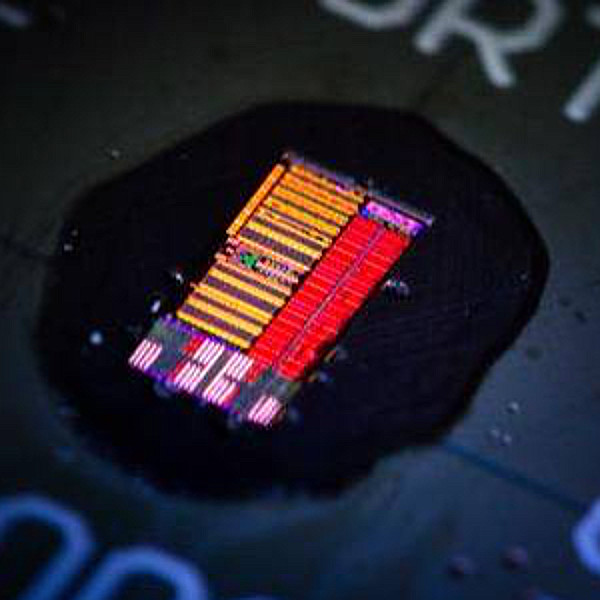
A second important development in the trend of miniaturization is the microprocessor that works with light ipv electricity. Read this article from the University Of Colorado. This will make microprocessors even faster, even more complex while their energy consumption is greatly reduced. This is in contrast to current electronic microprocessors that generate a large amount of heat as a byproduct, requiring cooling with cooling fins and fans.
Meanwhile, a memory chip that also works on the basis of light has been developed on a laboratory scale. See this article from Oxford University. This increases speed and capacity while again reducing energy consumption.
If this trend continues, then 2 important properties of electronic circuits or actually photonic circuits will change: they will become many times faster in processing data and energy consumption will be greatly reduced. As a result, very small devices can process gigantic amounts of data while greatly increasing operating time.
When we combine the above with the miniaturization of cameras, microphones, sensors, and motors, it is clear that major developments in mechatronics are underway: smaller, lighter, faster, more intelligent, and more sustainable. As large amounts of software, drives, and sensors fit into tiny housings, robotization will continue to increase. Devices (large and small) will become autonomous, come in a wide variety, and visibly and invisibly take a prominent place in our society. See also my blog about the book Internet of Things. Mechatronics is going to affect our lives even more than it already did.
